Stock Images guide
Why Are Stock Images Delivered as JPEG Instead of PNG or RAW?
Every download from Affordable Stock Images is a JPEG at up to 7680 pixels on the long side. People sometimes ask for PNG or RAW instead, so here are the three formats explained by when each one is the right answer, and why JPEG is the right delivery format for stock images.
When would I want each format?
JPEG is the format you want when the image has to travel. Every browser, phone, office application, layout tool and print shop can open it. Its compression is lossy, but at high quality settings the loss is invisible; the encoder discards detail the eye cannot separate from the surrounding tone. An 8K JPEG at high quality typically lands between 5 and 15 megabytes, small enough to download in seconds.
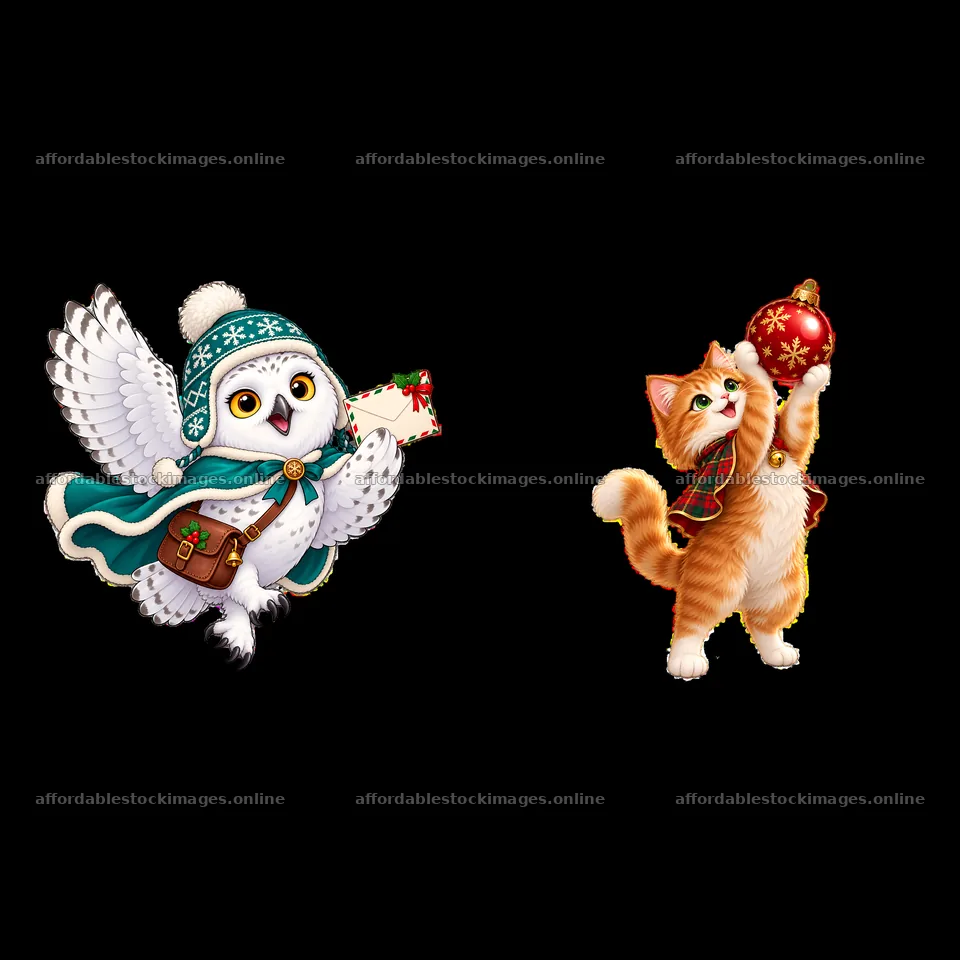
PNG is the format you want when you need transparency or when you plan to edit the same file many times. PNG compression is lossless, so every save returns exactly the pixels you put in, and its alpha channel lets a cut-out subject sit on any background. The cost is size. An 8K photographic image saved as PNG can easily reach 60 to 100 megabytes, because lossless compression cannot exploit the way eyes perceive colour. For a logo or a cut-out, PNG is perfect; for a full-frame picture, it is heavy for little visible gain.
RAW is the format you want when you are the photographer. A RAW file is the unprocessed data from a camera sensor, before white balance, sharpening or colour interpretation are applied. It gives editing latitude that no finished image can match. But RAW is tied to a sensor: it records what a physical chip measured through a physical lens. The imagery on this site is AI-assisted, produced without a sensor, so there is no RAW file to give you. Asking for one is like asking for the negative of a painting.
Why the site delivers an 8K JPEG
- Universal. Whoever receives the file, in whatever tool, can open it. No plug-ins, no conversions, no support tickets.
- Compact. The full 7680 px file downloads quickly and stores cheaply, which is what makes free, no-account, one-click delivery through the "Download JPG" button practical in the first place.
- Visually lossless. The files are encoded at a high quality setting. Zoom to actual pixels and you will not find compression artefacts in normal image content; printed at A2, the result is indistinguishable from a lossless source.
The site could offer PNG, but the download would be five to ten times larger and look identical. For almost every use that is a worse deal, not a better one.
A workflow that keeps the quality
The one real drawback of JPEG is that re-saving a JPEG re-compresses it, and each generation loses a little more. The fix is a habit, not a different download format.
- Keep the original JPEG untouched. Treat it as the master and never overwrite it.
- Open it in your editor and save your working version in a lossless format, such as your editor's native project file, a PNG or a TIFF. Do all cropping, colour work, text and compositing there.
- When the project is done, export a fresh JPEG or PNG for delivery from the working file. The output has passed through JPEG compression exactly once, the same as the original.
Follow those steps and you can revise a design a dozen times with no degradation. Skipping them, saving the JPEG back over itself after every edit, is what gives the format its unfair reputation.
A note on colour
Downloads are in the sRGB colour space, the standard for the web and the default that print shops assume when no profile is embedded. Keep your working file in sRGB unless a printer specifically asks for something else, and you will avoid the dull or shifted colours that come from a mismatched profile.
If you are hunting for a specific subject before worrying about format, start with all images and narrow down with the tag chips on each page. A search for forest returns every tagged match, and if a word is not turning up results the spelling help lists common variants. The license covering stock images in every format is the same, and it is published in full on the license page.